

Introduction
A standing seam metal roof has become one of the most popular roofing solutions for modern homes and commercial buildings due to its durability, energy efficiency, and sleek appearance. Unlike traditional roofing systems, this advanced roofing style features vertical metal panels with raised seams that lock together, creating a weather-tight seal and modern architectural look.
In today’s construction industry, homeowners and property developers increasingly prefer metal roofing because of its long lifespan and minimal maintenance requirements. A standing seam metal roof offers superior protection against harsh weather, provides excellent insulation benefits, and enhances property value.
This comprehensive guide explains everything you need to know about a standing seam metal roof, including its features, benefits, installation process, costs, maintenance requirements, and why it is considered one of the best roofing systems available today.
What is a Standing Seam Metal Roof?

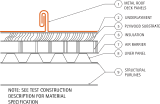
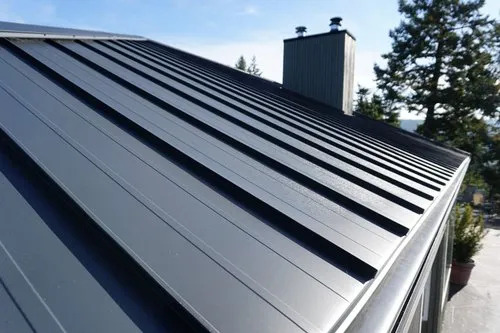
The design eliminates exposed fasteners, reducing the chances of leaks and corrosion. This concealed fastening system is one of the key features that distinguish a standing seam metal roof from traditional metal roofing.
Key Features
-
Raised vertical seams
-
Concealed fasteners
-
Interlocking metal panels
-
Weather-resistant structure
-
Modern and clean appearance
-
Long lifespan
Because of these features, a standing seam metal roof is commonly used in residential homes, commercial buildings, and industrial structures.
Benefits of Standing Seam Metal Roof


1. Exceptional Durability
Metal roofing systems are extremely durable and can withstand harsh weather conditions such as heavy rain, snow, wind, and extreme temperatures. A standing seam metal roof can last between 40 to 70 years.
2. Leak Resistance
The raised seam design prevents water infiltration. Since there are no exposed screws or fasteners, the risk of leakage is significantly reduced.
3. Energy Efficiency
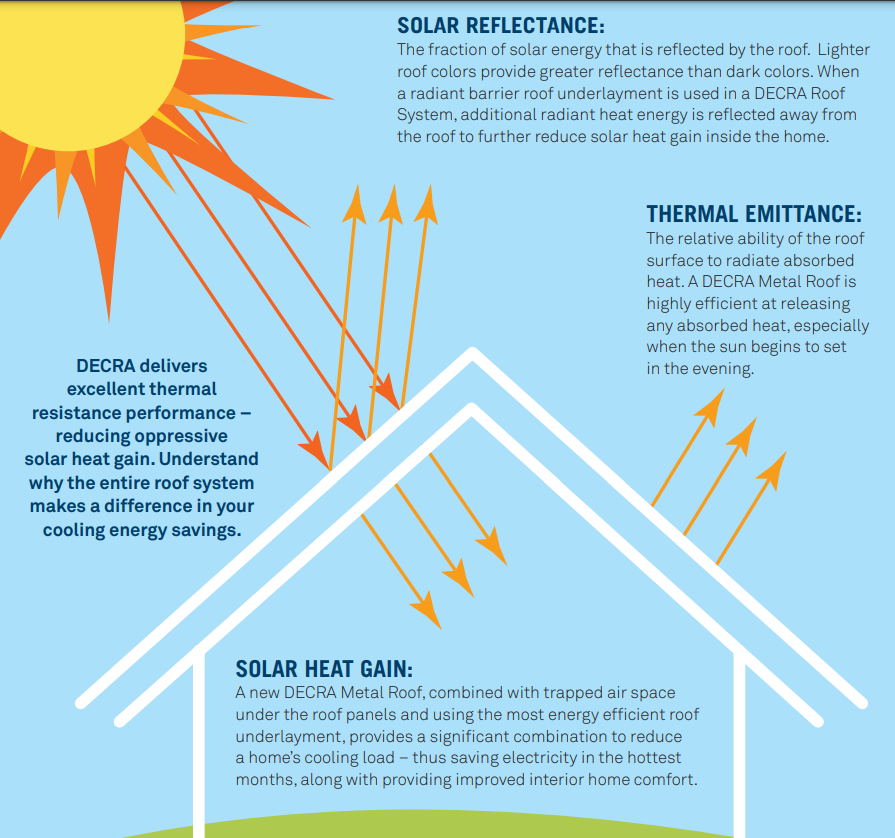
Metal roofs reflect solar heat, helping reduce cooling costs during hot seasons. This makes a standing seam metal roof an energy-efficient roofing solution.
4. Low Maintenance
Unlike traditional roofs, metal roofs require minimal maintenance. Occasional cleaning and inspections are typically sufficient.
5. Modern Appearance
Architects and homeowners appreciate the sleek and contemporary design of a standing seam metal roof, which enhances curb appeal.
6. Environmentally Friendly
Metal roofing materials are recyclable and sustainable, reducing environmental impact.
Types of Standing Seam Metal Roof Systems

Snap-Lock System
Panels snap together without mechanical seaming. This option is easier and faster to install.
Mechanically Seamed System
Panels are mechanically locked together, providing superior weather resistance.
Batten Panel System
A raised batten cap covers the seams, creating a distinctive architectural appearance.
Each type of standing seam metal roof offers unique benefits, and the best choice depends on climate, budget, and building design.
Standing Seam Metal Roof vs Traditional Roofing
Below is a comparison between metal roofing and traditional roofing materials.
| Feature | Standing Seam Metal Roof | Asphalt Shingles | Clay Tiles |
|---|---|---|---|
| Lifespan | 40–70 years | 15–25 years | 30–50 years |
| Maintenance | Low | Moderate | High |
| Leak Resistance | Excellent | Moderate | Good |
| Energy Efficiency | High | Low | Moderate |
| Cost | Higher upfront | Lower upfront | High |
| Durability | Very high | Medium | High |
This table shows why many property owners choose a standing seam metal roof for long-term value and performance.
Materials Used in Standing Seam Metal Roof
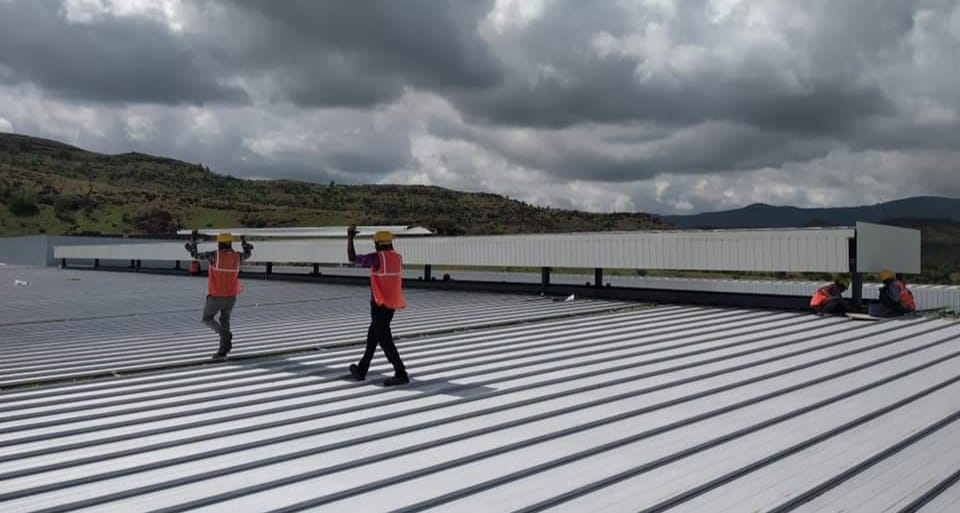
Steel
The most common material due to its strength and affordability.
Aluminum
Lightweight and corrosion-resistant, ideal for coastal environments.
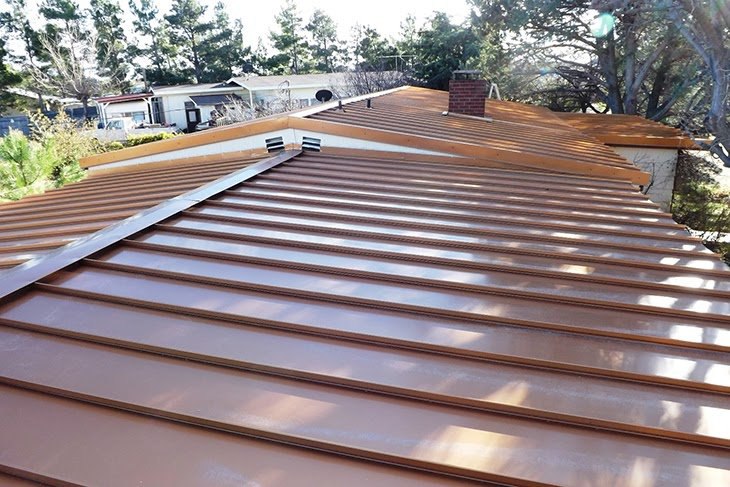
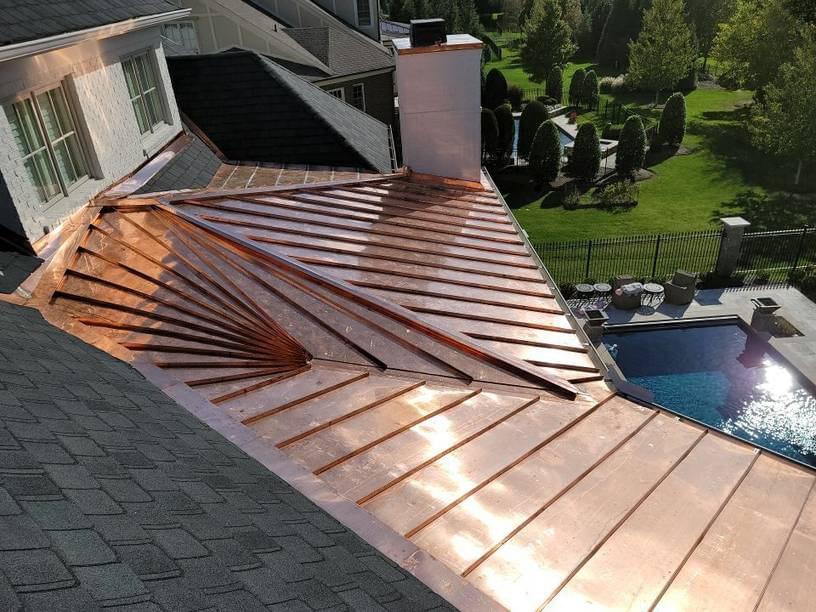
Copper
Premium material with exceptional durability and aesthetic appeal.
Zinc
Long-lasting and environmentally friendly, often used in high-end projects.
Choosing the right material ensures optimal performance of a standing seam metal roof.
Installation Process of Standing Seam Metal Roof


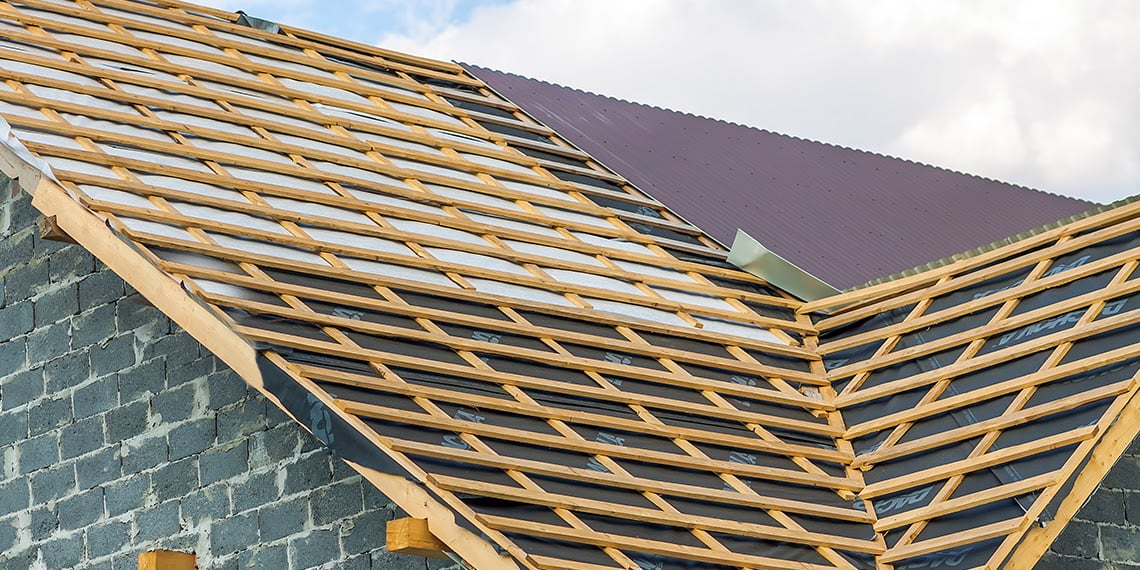
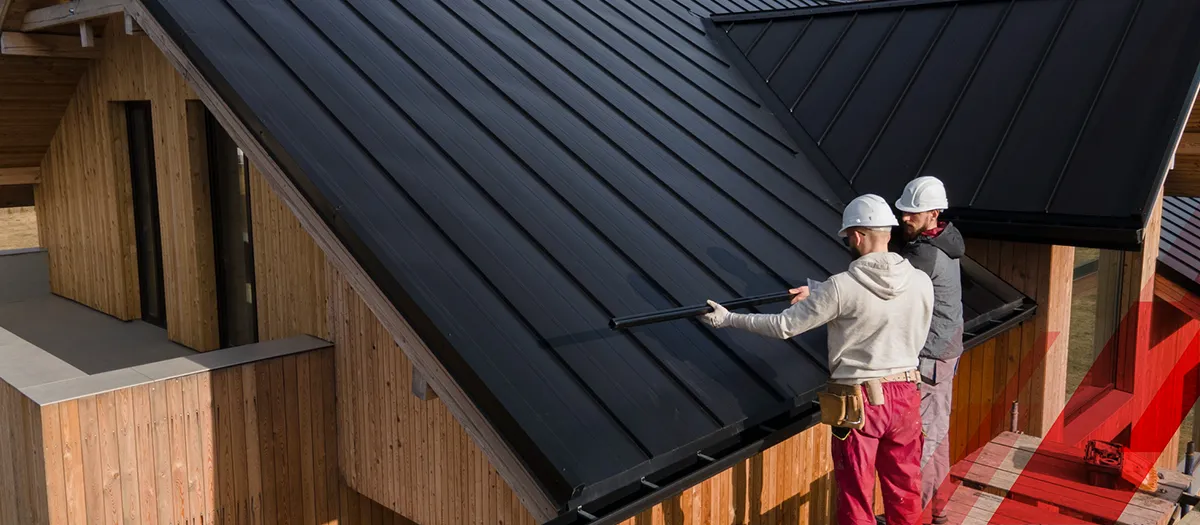
Installing a standing seam metal roof requires professional expertise and specialized tools.
Step-by-Step Installation
-
Roof inspection and preparation
-
Installation of underlayment
-
Placement of metal panels
-
Seaming and locking panels
-
Flashing and finishing work
Proper installation ensures the longevity and performance of a standing seam metal roof.
Cost of Standing Seam Metal Roof
The cost of installing a standing seam metal roof varies depending on materials, labor, roof size, and location.
Average Cost Factors
-
Material type
-
Roof size and complexity
-
Labor charges
-
Geographic location
-
Insulation requirements
Although the initial cost is higher than traditional roofing, a standing seam metal roof provides long-term savings due to durability and low maintenance.
Maintenance and Care Tips


Maintenance Tips
-
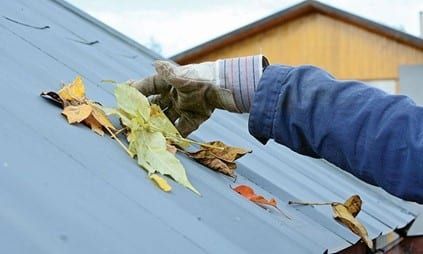
Clean debris regularly
-
Inspect seams and flashing
-
Remove accumulated dirt
-
Schedule professional inspections
-
Repair minor damage quickly
Routine care extends the lifespan of a standing seam metal roof.
Energy Efficiency and Sustainability
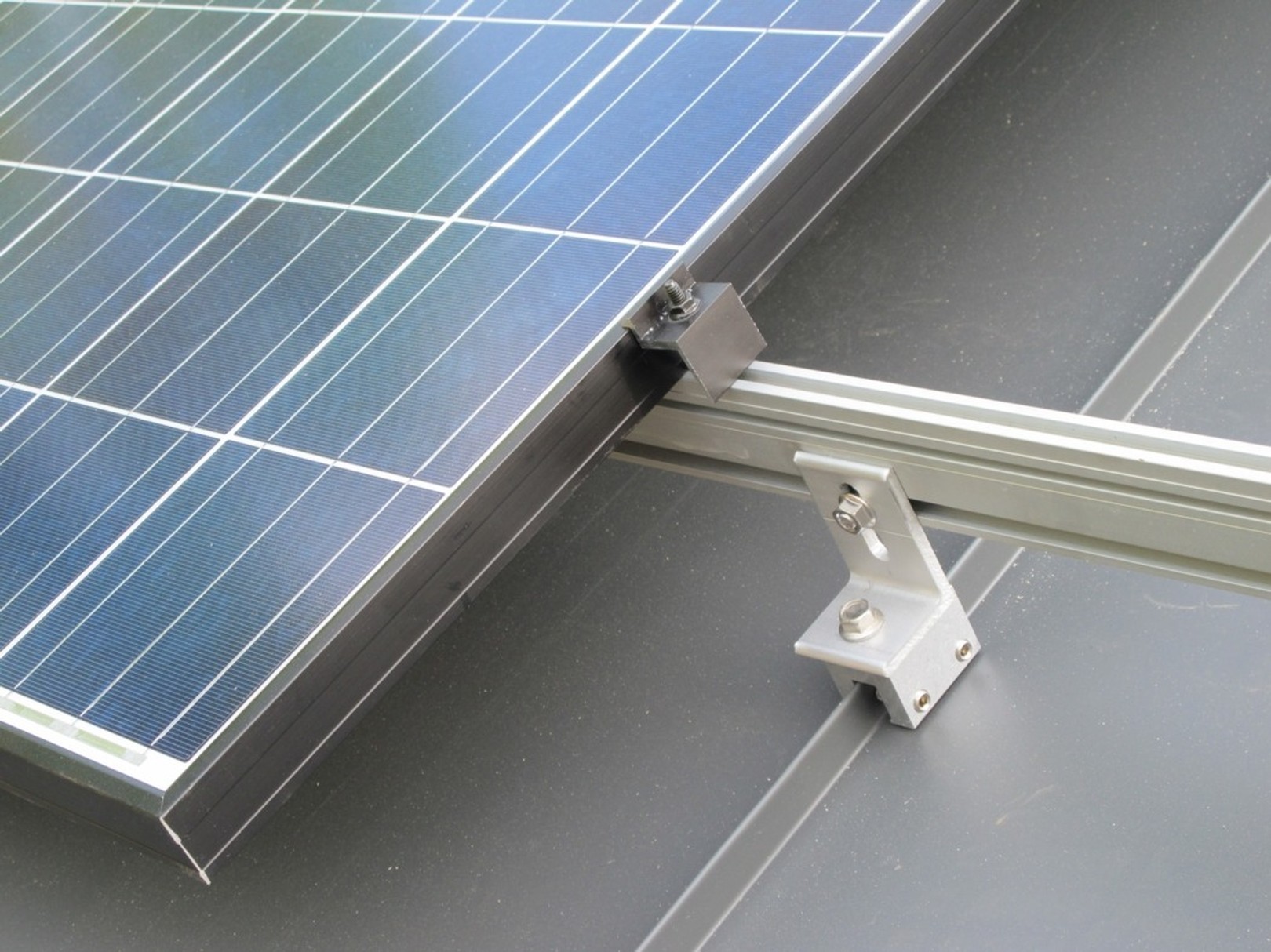

This sustainability factor makes a standing seam metal roof an environmentally responsible choice.
Common Applications
A standing seam metal roof is widely used across different building types.
Residential Homes
Provides modern aesthetics and long-term durability.
Commercial Buildings
Offers low maintenance and energy efficiency.
Industrial Facilities
Ensures protection against extreme weather.
Architectural Projects
Enhances contemporary design styles.
Its versatility makes a standing seam metal roof suitable for multiple applications.
Advantages and Disadvantages
Advantages
-
Long lifespan
-
Weather resistance
-
Modern design
-
Low maintenance
-
Energy efficiency
-
Environmentally friendly
Disadvantages
-
Higher initial cost
-
Professional installation required
-
Possible noise during heavy rain without insulation
Despite minor drawbacks, a standing seam metal roof remains a top roofing choice.
Quick Featured Answer Style
What is a standing seam metal roof?
A standing seam metal roof is a roofing system made of interlocking metal panels with raised seams that prevent water penetration and provide durability.
How long does a standing seam metal roof last?
It typically lasts 40 to 70 years with proper installation and maintenance.
Is standing seam metal roof expensive?
The upfront cost is higher than traditional roofing, but it offers long-term savings due to durability and low maintenance.
Does standing seam metal roof leak?
No, its concealed fastener system and raised seams minimize the risk of leaks.
Why Choose Standing Seam Metal Roof for Your Property
Choosing the right roofing system is essential for long-term protection and value. A standing seam metal roof offers unmatched durability, energy efficiency, and aesthetic appeal. It protects buildings from harsh weather while reducing maintenance costs and improving sustainability.
Modern construction trends favor metal roofing because of its reliability and performance. Whether for residential or commercial use, a standing seam metal roof provides a smart investment for long-term structural protection.
Conclusion
A standing seam metal roof represents one of the most advanced and reliable roofing solutions available today. Its superior durability, weather resistance, energy efficiency, and modern design make it a preferred choice for homeowners and builders worldwide.
Although the initial installation cost may be higher, the long-term benefits, including minimal maintenance, extended lifespan, and energy savings, make a standing seam metal roof a cost-effective investment. By choosing quality materials and professional installation, property owners can enjoy decades of reliable protection and enhanced property value.
If you are planning a new construction project or replacing an existing roof, investing in a standing seam metal roof can provide lasting performance, sustainability, and architectural beauty.
Read More:- Standing Seam Metal Roof Cost Guide: Pricing, Installation, and Benefits
