

Introduction to Digital Buying and Selling
In today’s digital world, online shopping has become a normal part of everyday life. Whether ordering clothes, booking tickets, or paying utility bills, people constantly participate in online exchanges. But many still ask, what is ecommerce transaction and how does it actually work behind the scenes?
An ecommerce transaction refers to the process of buying or selling goods and services over the internet. It involves the transfer of money and information between a buyer and a seller through digital platforms. Understanding what is ecommerce transaction helps individuals and businesses navigate the modern marketplace efficiently. As technology continues to evolve, ecommerce transactions are becoming faster, safer, and more convenient for users around the globe.
Understanding the Meaning of Ecommerce Transaction
To clearly understand what is ecommerce transaction, we must break the term into two parts: ecommerce and transaction. Ecommerce stands for electronic commerce, which means conducting commercial activities online. A transaction refers to an exchange of goods, services, or money between parties.
Therefore, what is ecommerce transaction can be defined as a digital exchange where customers purchase products or services through online platforms, and payments are processed electronically. These transactions typically involve websites, mobile apps, payment gateways, and banking systems. The entire process occurs virtually without physical interaction between buyer and seller. This digital method has revolutionized traditional shopping by providing convenience, accessibility, and global reach.
Key Components of an Ecommerce Transaction
To better understand what is ecommerce transaction, it is important to examine its key components. Every ecommerce transaction includes several essential elements that ensure smooth processing:
-
Buyer (Customer)
-
Seller (Business or Merchant)
-
Online Platform (Website or App)
-
Payment Gateway
-
Banking System
-
Order Confirmation System
Each component plays a critical role. The buyer selects a product, the seller offers it, and the online platform connects both parties. The payment gateway securely processes financial details. Understanding what is ecommerce transaction becomes easier when we see how these elements work together in a structured system.
Image: Online Shopping Process
(Image showing a customer using a smartphone to make an online purchase with a payment confirmation screen.)
How an Ecommerce Transaction Works
To fully grasp what is ecommerce transaction, let us examine the step-by-step process:
-
The customer visits an online store.
-
They browse and select a product.
-
The item is added to the cart.
-
The customer proceeds to checkout.
-
Payment details are entered securely.
-
The payment gateway verifies the transaction.
-
Confirmation is sent to both buyer and seller.
This entire process may take only a few seconds. Modern technology ensures encryption and secure communication between systems. Knowing what is ecommerce transaction helps customers understand how their payment information moves safely from one digital system to another.
Types of Ecommerce Transactions
When learning what is ecommerce transaction, it is helpful to understand its different types. Ecommerce transactions can be categorized based on the parties involved:
| Type | Full Form | Description |
|---|---|---|
| B2C | Business to Consumer | Businesses sell directly to customers |
| B2B | Business to Business | Transactions between companies |
| C2C | Consumer to Consumer | Individuals selling to other individuals |
| C2B | Consumer to Business | Individuals offer services to businesses |
Each category represents a different form of ecommerce transaction. For example, when a customer buys clothing from an online store, it is B2C. Understanding these types provides deeper clarity about what is ecommerce transaction in various commercial settings.
Security in Ecommerce Transactions
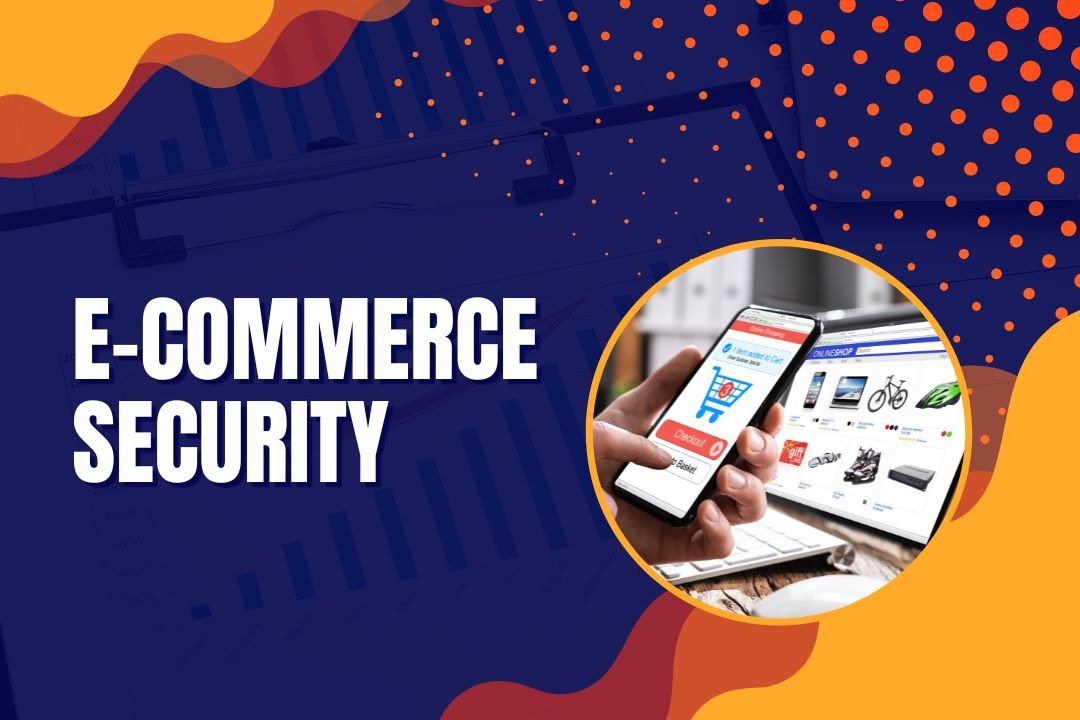
Security is a major concern when discussing what is ecommerce transaction. Since transactions involve sensitive financial data, strong security measures are essential. Payment gateways use encryption technology to protect credit card details and personal information.
Secure Socket Layer (SSL) certificates ensure safe communication between user devices and servers. Two-factor authentication adds another layer of protection. Fraud detection systems monitor unusual activities to prevent unauthorized access. Understanding what is ecommerce transaction also involves recognizing the importance of cybersecurity measures that protect both buyers and sellers in digital environments.
Image: Secure Payment Gateway
(Image showing a secure lock symbol on a payment page with encrypted data illustration.)
Benefits of Ecommerce Transactions

Understanding what is ecommerce transaction also requires recognizing its advantages. Ecommerce transactions provide convenience, as customers can shop anytime and anywhere. Businesses can reach global audiences without opening physical stores.
Other benefits include faster processing, reduced operational costs, digital record keeping, and personalized marketing opportunities. Customers enjoy easy product comparisons and multiple payment options. These advantages explain why ecommerce transactions are growing rapidly worldwide. As technology improves, the efficiency and reliability of ecommerce transactions continue to increase.
Challenges in Ecommerce Transactions
Despite the benefits, there are challenges associated with what is ecommerce transaction. Some common issues include cybersecurity threats, technical glitches, payment failures, and shipping delays. Businesses must invest in reliable systems and customer support to maintain trust.
Customers may also face concerns about data privacy and fraudulent websites. Understanding what is ecommerce transaction includes being aware of these potential risks and learning how to avoid them by using trusted platforms and secure payment methods.
Payment Methods Used in Ecommerce Transactions
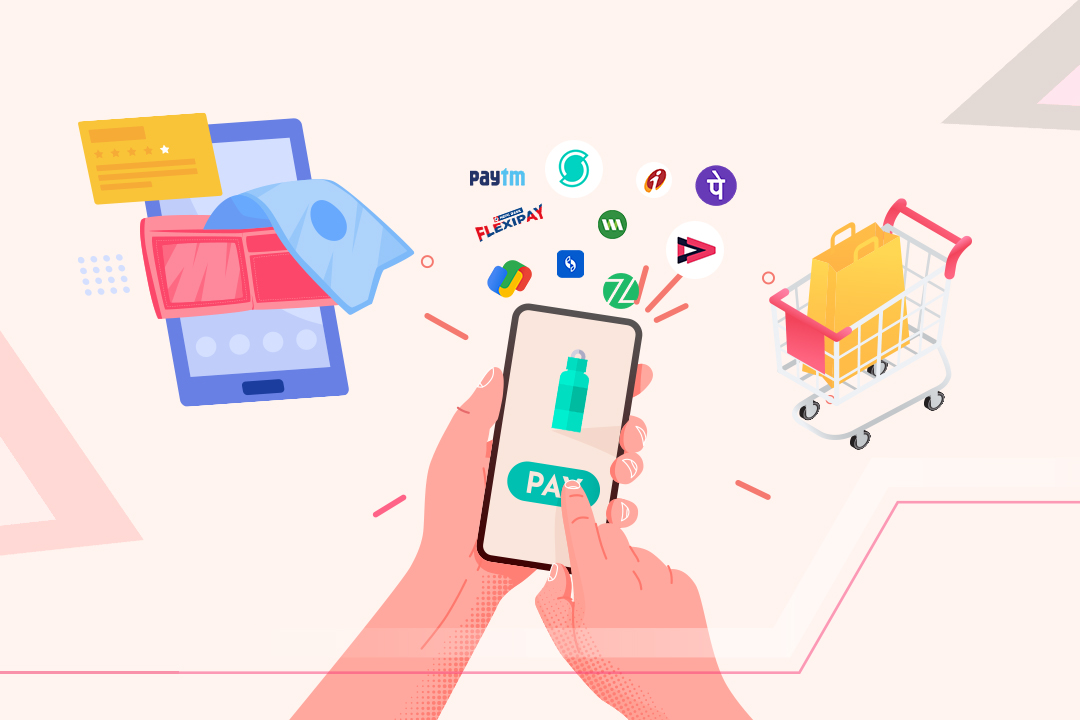
Various payment methods are used in ecommerce transactions. These include:
-
Credit and Debit Cards
-
Digital Wallets
-
Net Banking
-
Mobile Payments
-
Buy Now Pay Later Services
Each payment method supports the smooth functioning of ecommerce transaction processes. Businesses integrate multiple options to provide flexibility and convenience to customers. The diversity of payment methods reflects how technology has simplified financial exchanges online.
Image: Multiple Online Payment Options
(Image displaying credit cards, mobile wallets, and bank icons representing digital payments.)
Example of an Ecommerce Transaction
Consider a scenario where a customer buys a pair of shoes from an online store. The customer selects the item, enters shipping details, and pays using a debit card. The payment gateway verifies funds, and the seller receives confirmation. The order is processed and shipped.
This simple example clearly explains what is ecommerce transaction in real life. It shows how digital systems replace traditional face-to-face purchases while maintaining efficiency and security.
Importance for Businesses
For businesses, understanding what is ecommerce transaction is essential for survival in the digital age. Companies must optimize websites, ensure secure payment systems, and provide smooth user experiences.
Ecommerce transactions allow businesses to analyze customer behavior, track sales patterns, and improve marketing strategies. Digital records simplify accounting and inventory management. As competition grows, efficient ecommerce transaction systems provide a competitive advantage.
Frequently Asked Questions (FAQs)
1. What is ecommerce transaction in simple terms?
It is the process of buying or selling goods and services online through digital payment systems.
2. Is an ecommerce transaction safe?
Yes, when conducted through secure platforms using encryption and trusted payment gateways.
3. What are the main types of ecommerce transactions?
B2C, B2B, C2C, and C2B are the primary categories.
4. Why are ecommerce transactions important?
They enable global trade, convenience, faster payments, and business growth.
5. What payment methods are used in ecommerce transactions?
Credit cards, digital wallets, net banking, and mobile payments are common options.
Conclusion
Understanding what an e-commerce transaction is essential in today’s technology-driven world. It refers to the digital exchange of goods, services, and payments conducted through online platforms. From browsing products to completing secure payments, every step in an e-commerce transaction is designed for efficiency and convenience.
With multiple transaction types, secure payment methods, and global accessibility, e-commerce transactions have transformed traditional commerce. Although challenges like cybersecurity risks exist, modern systems provide strong protection measures. As online shopping continues to expand, knowing what an e-commerce transaction is empowers individuals and businesses to participate confidently in the digital economy.
Read More: Choosing the Right Ecommerce Website Development Company
