

Introduction
Yoga has become one of the most popular wellness practices worldwide, helping millions improve their physical health, mental balance, and emotional well-being. Whether you are a beginner or an experienced practitioner, one essential item you need is a quality yoga mat. The right yoga mats enhance comfort, stability, and safety while supporting proper posture during practice.
Choosing the perfect yoga mat may seem simple, but with various materials, thickness levels, and textures available, making the right decision requires understanding your needs. This comprehensive guide explores everything you need to know — from types and materials to maintenance and buying tips — to help you make an informed choice.
Why Yoga Mats Are Essential for Practice
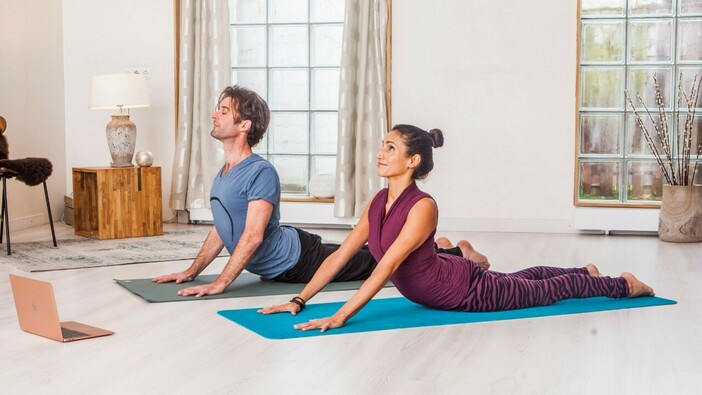


Key Benefits
-
Improved grip and stability for safe practice
-
Joint protection through cushioning support
-
Hygienic personal surface for workouts
-
Enhanced posture alignment
-
Better comfort during long sessions
Without proper support, poses like downward dog or plank can strain wrists and knees. That’s why many practitioners consider yoga mats an important part of their routine.
Types of Yoga Mats Available


1. PVC Mats
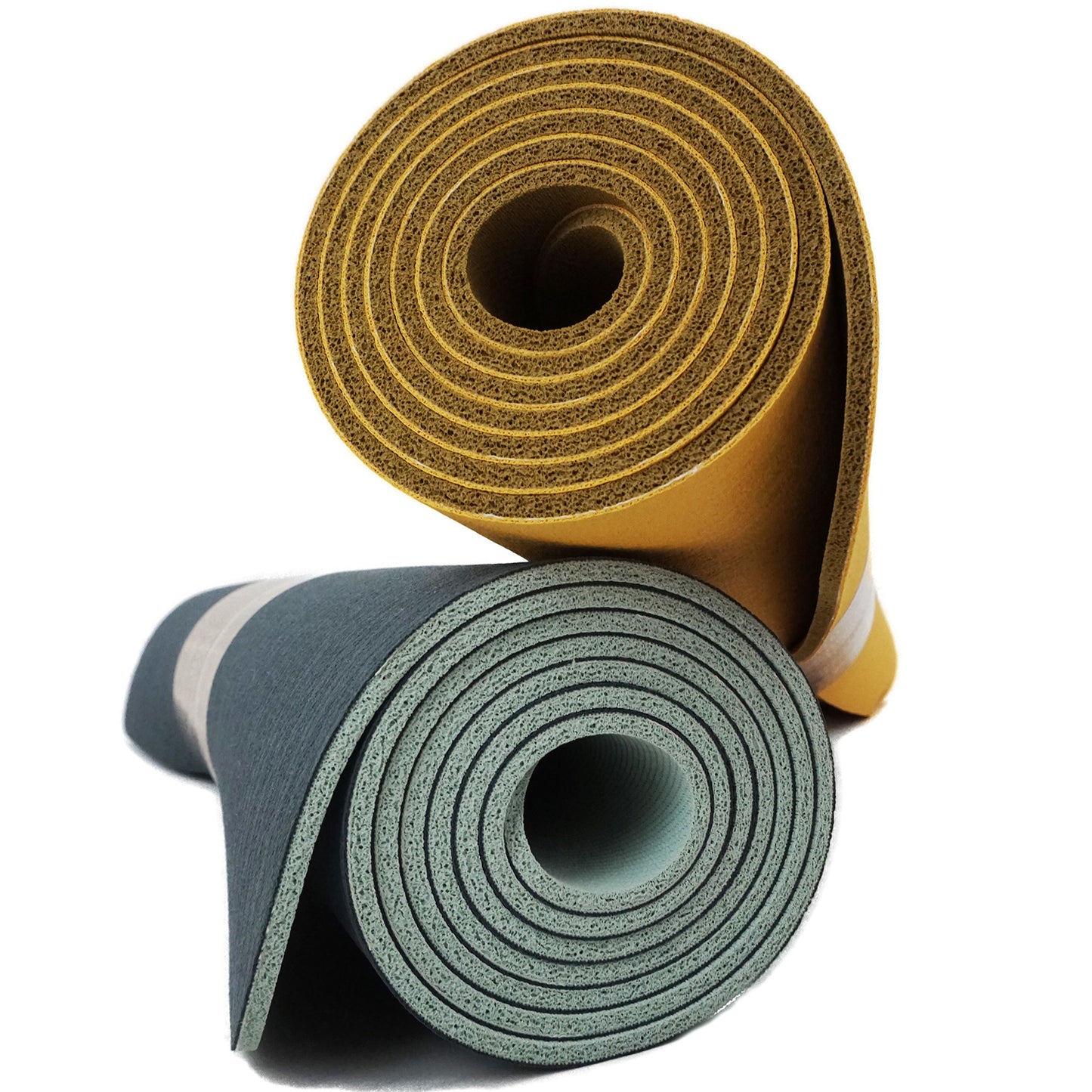
PVC mats are affordable, durable, and widely available. They offer excellent grip and cushioning but may not be environmentally friendly.
2. Rubber Mats
Natural rubber mats are eco-friendly and provide superior grip. They are ideal for intense sessions but may be heavier than other options.
3. TPE Mats
Thermoplastic elastomer mats combine durability and sustainability. They are lightweight, recyclable, and comfortable.
4. Cork Mats
Cork mats offer natural antimicrobial properties and excellent traction, especially when wet.
5. Cotton or Jute Mats
These mats are made from natural fibers and are best for gentle yoga styles or meditation practices.
Selecting among these yoga mats depends on your priorities such as sustainability, comfort, or durability.
Yoga Mat Thickness Guide
The thickness of a mat significantly affects comfort and stability.
| Thickness | Best For | Benefits |
|---|---|---|
| 1–2 mm | Travel yoga | Lightweight and portable |
| 3–4 mm | Balanced practice | Stability and moderate comfort |
| 5–6 mm | Beginners | Extra cushioning |
| 7+ mm | Joint sensitivity | Maximum support |
Thin mats provide better balance, while thicker mats protect joints. Your choice should depend on comfort level and yoga style.
Materials Used in Yoga Mats


Foam
Foam mats are lightweight and soft, making them beginner-friendly.
Natural Rubber
Provides excellent traction and durability while being biodegradable.
Jute
A sustainable material offering firm support and natural texture.
Cork
Naturally antibacterial and eco-conscious.
Understanding materials helps you select yoga mats that align with your values and practice needs.
How to Choose the Right Yoga Mat
Selecting the right mat requires evaluating multiple factors.
1. Grip Quality
Good grip prevents slipping during poses and ensures safety.
2. Comfort Level
Choose cushioning based on joint sensitivity and practice intensity.
3. Durability
Frequent practitioners should invest in long-lasting materials.
4. Portability
Lightweight mats are ideal for travel or studio visits.
5. Eco-Friendliness
Many practitioners prefer sustainable yoga mats made from natural materials.
A careful evaluation ensures long-term satisfaction and better performance.
Yoga Mat Buying Checklist
Quick Selection Guide:
-
Beginners → 5–6 mm thickness
-
Hot yoga → Non-slip surface
-
Travel → Lightweight mat
-
Eco-conscious users → Natural materials
-
Joint pain → Extra cushioning
This quick snippet helps simplify your purchase decision.
Benefits of Using High-Quality Yoga Mats
High-quality mats enhance your overall experience and support long-term practice.
Better Performance
Improved grip allows precise movement and posture.
Injury Prevention
Proper cushioning protects knees, elbows, and spine.
Hygiene Maintenance
Personal mats reduce exposure to germs.
Enhanced Focus
Comfortable surfaces help maintain concentration.
Investing in premium yoga mats leads to better physical and mental results.
Yoga Mat Care and Maintenance
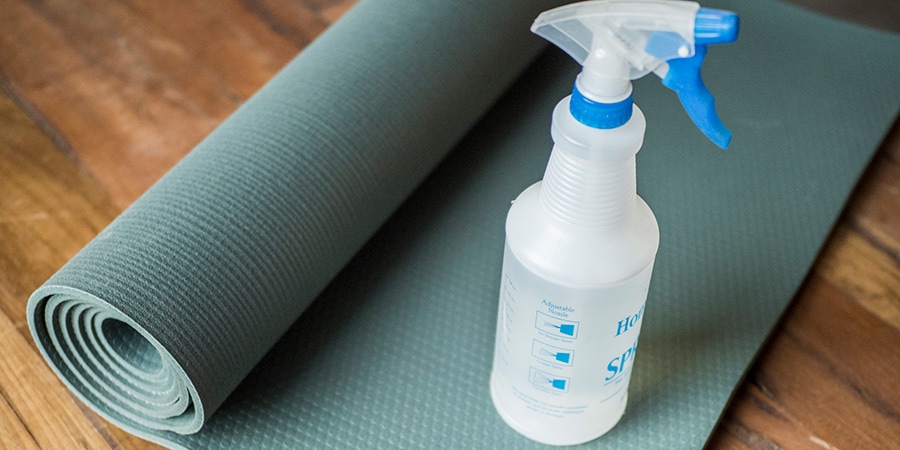


Cleaning Tips
-
Wipe after each use
-
Use mild soap solution weekly
-
Avoid harsh chemicals
-
Air dry completely
Storage Tips
-
Keep in cool, dry places
-
Avoid direct sunlight
-
Roll instead of folding
Well-maintained yoga mats remain safe and comfortable for years.
Yoga Mats for Different Yoga Styles
Different yoga practices require specific mat features.
Hatha Yoga
Requires balanced cushioning and stability.
Vinyasa Yoga
Needs strong grip for continuous movement.
Hot Yoga
Requires moisture-resistant surfaces.
Restorative Yoga
Prefers extra cushioning and softness.
Choosing appropriate yoga mats based on practice style improves comfort and performance.
Common Mistakes When Buying a Yoga Mat
Many beginners make avoidable mistakes when purchasing.
-
Choosing price over quality
-
Ignoring thickness requirements
-
Overlooking material safety
-
Not testing grip quality
-
Buying unsuitable sizes
Avoiding these errors ensures you select yoga mats that meet your needs.
Eco-Friendly Yoga Mats and Sustainability


Sustainable Features
-
Biodegradable materials
-
Recyclable components
-
Non-toxic manufacturing
-
Renewable resources
Environmentally responsible yoga mats benefit both users and the planet.
Price Range and Budget Considerations
Yoga mats are available in various price ranges.
| Price Range | Features |
|---|---|
| Budget | Basic cushioning and grip |
| Mid-range | Better durability and comfort |
| Premium | Eco-friendly materials and superior performance |
Higher price often indicates better quality and longevity.
Travel-Friendly Yoga Mats
Frequent travelers need portable solutions.
Features to Look For
-
Lightweight design
-
Foldable structure
-
Thin construction
-
Durable material
Travel-friendly yoga mats allow you to maintain consistency in practice anywhere.
Yoga Mat Size Guide
Choosing the correct size ensures comfort and mobility.
-
Standard Length: 68–72 inches
-
Extra Long: Suitable for taller users
-
Wide Mats: More movement space
Proper sizing ensures unrestricted movement during sessions.
Beginner Tips for Using Yoga Mats
New practitioners should follow these tips for best results.
-
Practice on flat surfaces
-
Clean mat regularly
-
Replace worn-out mats
-
Maintain correct posture
-
Store properly after use
Following these tips improves safety and practice quality.
Quick Expert : How to Test a Yoga Mat
Grip Test: Press your hand firmly — it should not slide.
Comfort Test: Kneel on the mat to check cushioning.
Durability Test: Stretch material slightly to evaluate strength.
Odor Test: Ensure no strong chemical smell.
This quick method helps evaluate yoga mats before purchasing.
How Often Should You Replace Your Yoga Mat?
The lifespan depends on usage frequency and material quality.
-
Daily use → Replace within 6–12 months
-
Occasional use → Replace every 1–2 years
-
Visible wear → Immediate replacement
Regular replacement ensures safety and hygiene.
The Future of Yoga Mats
Innovation continues to improve yoga accessories. Modern mats now include antimicrobial surfaces, alignment markings, and sustainable manufacturing processes. Technology-driven improvements aim to enhance user experience and environmental responsibility.
As yoga continues growing globally, yoga mats will evolve to meet changing needs and expectations.
Conclusion
A yoga mat is more than just an accessory — it is a foundation for safe, comfortable, and effective practice. Understanding materials, thickness, durability, and sustainability helps you choose the right option for your needs. Whether you seek comfort, performance, or eco-friendliness, investing in quality yoga mats improves your experience and supports long-term wellness.
By considering the factors discussed in this guide, you can confidently select the best mat to support your yoga journey and achieve better physical and mental balance.
Read More:- Clemency: Meaning, Process, Types, and Legal Importance Explained
